Badoo Scams: How to Spot Fake Profiles and Stay Safe Online
When people use Badoo, a popular social dating app used across Europe for meeting people, often with the intent of finding companionship or casual encounters. Also known as a hookup app, it's easy to get fooled by profiles that look real but are run by scammers. These aren’t just random spammers—they’re organized operations using stolen photos, scripted messages, and fake stories to lure users into paying for non-existent meetings or subscriptions. If you’ve ever been asked for money after a few chats, or invited to a "private chat" that leads to a payment page, you’ve likely run into a Badoo scam.
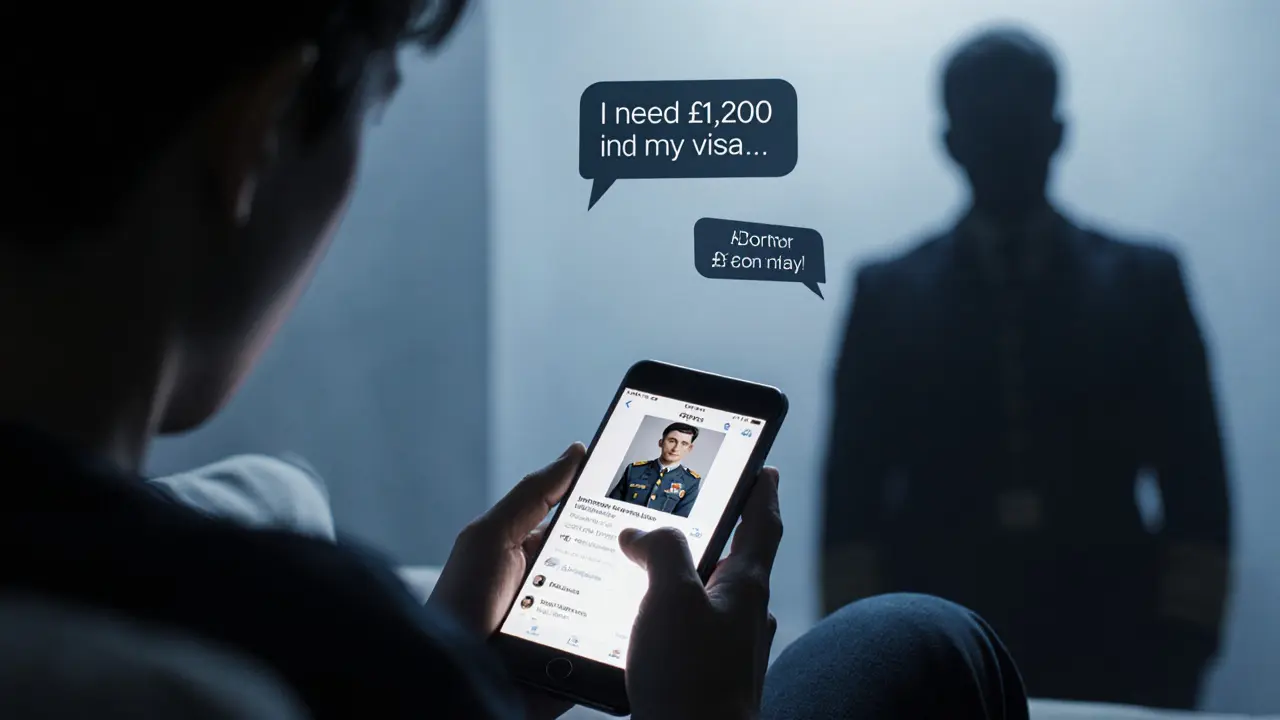
Scammers target people looking for escort services, professional companionship arrangements where payment is made for time, company, or intimacy, often arranged privately because they know users are emotionally open and eager to connect. They create profiles with European women—often using photos from real models or stolen social media accounts—and claim to be in London, Paris, or Berlin. Their messages sound sweet, flirty, even emotional. But the second you mention meeting up, they pivot: "I need to pay for a visa," "My phone got stolen," or "Can you cover my hotel deposit?" These are classic red flags. Real escort professionals don’t ask for money upfront. They list clear pricing, use verified platforms, and meet in public first—if at all.
Another common trick is fake escort booking websites, third-party sites that mimic legitimate escort directories but are designed to steal credit card info or charge hidden fees. They link from Badoo profiles, promising "exclusive access" to girls you can’t find elsewhere. These sites look professional—clean design, fake testimonials, even fake reviews—but they’re just fronts. The girls don’t exist. The numbers don’t work. And if you pay, you’ll get silence. Always check if a service is listed on trusted directories like those mentioned in our posts—ones that verify profiles, show real reviews, and never ask for upfront payments.
It’s not just about money. Some scammers use Badoo to gather personal info—your name, location, even photos—to blackmail or sell your data. Others set up "meets" that turn into theft or harassment. The people behind these scams don’t care about you. They care about your wallet, your trust, your vulnerability. That’s why knowing how to spot them matters more than ever.
Here’s what you can do: Never send money to someone you haven’t met in person. Never click links sent via Badoo DMs. Search the profile photo in Google Images—most scam photos are reused across dozens of accounts. Look for poor grammar, overly perfect bios, or profiles with no other activity. Real companions have history, consistency, and boundaries. If something feels too easy, too fast, or too good to be true—it is.
The posts below are packed with real stories and practical advice from people who’ve been there. You’ll find guides on how to book escorts safely, spot fake agencies, and avoid the traps that lead to regret. Whether you’re looking for a night out in London, a weekend in Prague, or just want to understand what’s real versus what’s a scam—this collection gives you the tools to protect yourself while still enjoying meaningful connections.