
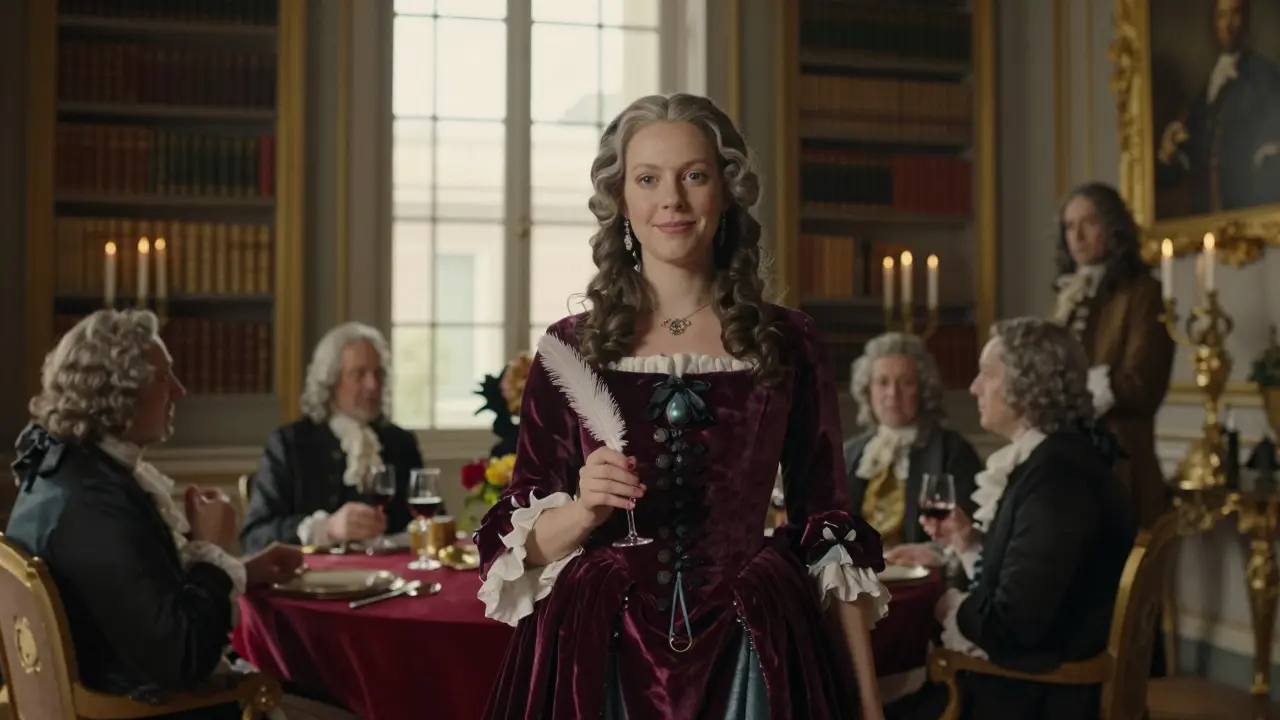
When you hear the term "call girl," you might think of modern ads, late-night websites, or Hollywood dramas. But the truth? Women who offered companionship and intimacy for money have been part of human society for thousands of years. Some were feared. Others were worshipped. A few became legends-richer, smarter, and more powerful than most men of their time.
Who Were the Most Famous Call Girls in History?
They weren’t just sex workers. Many were poets, political advisors, salon hosts, and cultural influencers. Their fame came not from scandal, but from skill, charm, and sheer force of will. In a world where women had little legal power, these women carved out extraordinary lives.
Let’s look at five who left marks on history that still echo today.
Ninon de l’Enclos: The Queen of Parisian Salons
In 17th-century France, Ninon de l’Enclos wasn’t just a courtesan-she was the center of intellectual life. She hosted gatherings where philosophers like Voltaire and writers like Molière debated ideas over wine and pastries. Men paid her handsomely-not just for her body, but for her mind.
She refused to marry. She owned property. She wrote essays on love and freedom. When Louis XIV tried to ban her from Paris, he changed his mind after realizing how many powerful men depended on her salon. She lived to be 98, never relying on anyone but herself. Her legacy? A model of female independence in a time when women were expected to be silent.
Mata Hari: The Spy Who Danced
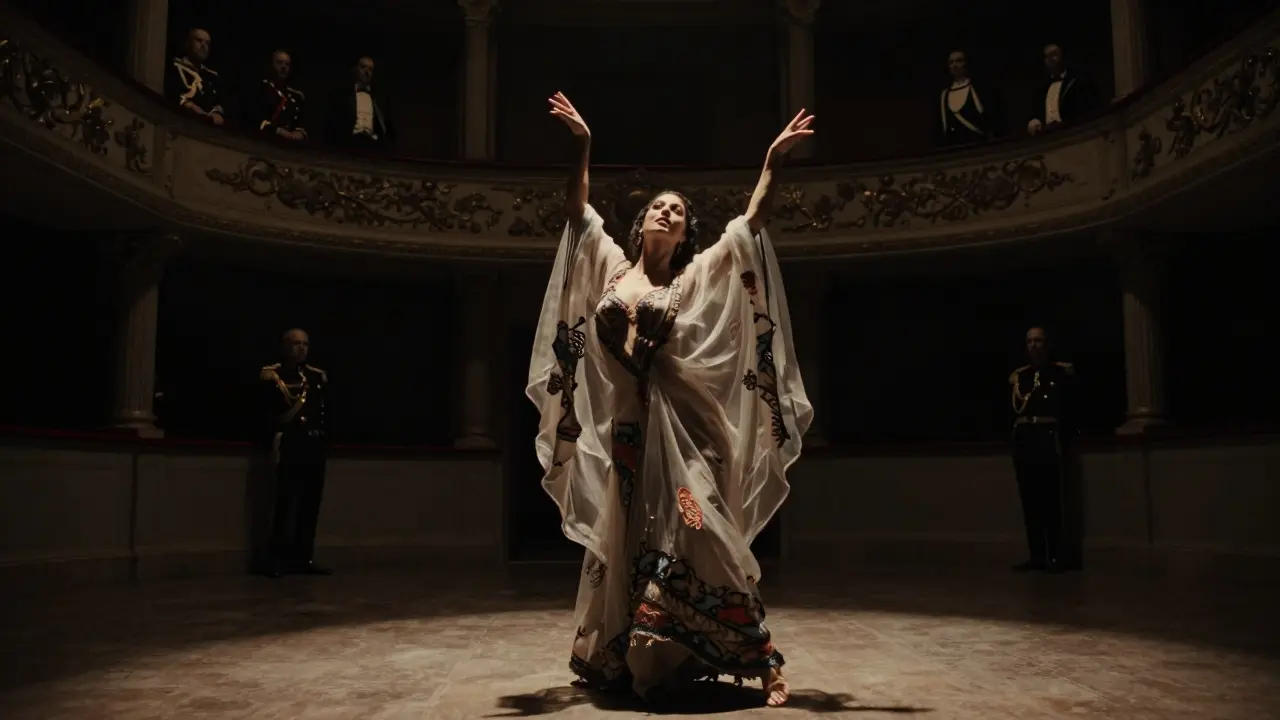
Her real name was Margaretha Zelle. Born in the Netherlands, she became famous as Mata Hari-an exotic dancer who performed in sheer fabrics, claiming to be a Javanese princess. She moved through Europe’s elite circles during World War I, dancing for generals, princes, and politicians.
She was accused of spying for Germany. The evidence was flimsy. Some say she was a scapegoat. Others believe she played both sides. Either way, she was executed by firing squad in 1917. Her story turned her into a myth: the beautiful woman who used seduction as a weapon, and paid the ultimate price.
Today, "Mata Hari" is shorthand for the seductive spy. But behind the legend? A woman trying to survive in a world that gave her few options.
Madame du Barry: From Courtesan to Queen’s Rival
She started as a seamstress. Ended as the last official mistress of King Louis XV of France. Madame du Barry rose from poverty to live in the Palace of Versailles, wearing jewels worth more than most nobles earned in a lifetime.
She wasn’t educated. She wasn’t noble. But she had wit, charm, and a sharp tongue. She clashed with Marie Antoinette, who refused to acknowledge her. When the French Revolution came, du Barry fled. But she returned-perhaps out of pride, or desperation. She was arrested, tried, and beheaded in 1793. Her last words? "Wait a moment, gentlemen. I am not yet ready."
Her story shows how a woman could climb to the top of a rigid class system… and how quickly it could all collapse.
Veronica Franco: Poet, Protector, and Rebel of Venice
In 16th-century Venice, Veronica Franco was one of the few women allowed to publish books. She wrote poetry, defended other courtesans, and even lobbied the government to protect women from abuse.
She was educated, fluent in Latin, and connected to the city’s elite. Her clients included artists, nobles, and even the Doge. But when her lover died and her finances collapsed, she was accused of witchcraft and nearly imprisoned.
She fought back-with words. Her published letters and poems gave voice to women like her. She didn’t just survive the system; she challenged it. Her work is still studied today as early feminist writing.
La Belle Otero: The Woman Who Made Kings Tremble
From Spain, then to Paris, La Belle Otero was the most photographed woman of the 1890s. She danced, flirted, and charmed her way into the arms of kings, princes, and industrialists. She owned villas in the south of France, wore diamonds worth millions, and traveled with her own entourage.
She once said, "I never slept with a man who didn’t want to pay for it." And she never did. She turned her beauty into currency-and then used that currency to buy freedom.
When she retired, she wrote her memoirs. She lived alone, quietly, until her death at 89. Her secret? She never let anyone own her.
Why Do These Women Still Matter?
These women weren’t victims. They weren’t just objects of desire. They were entrepreneurs, strategists, and artists. In a world that denied them education, property rights, and political voice, they built empires on their own terms.
They understood power. They knew how to read people. They used charm as a tool, not a trap. And they refused to be defined by the labels society gave them.
Today, we still romanticize them. We call them "famous courtesans" or "historical sex workers." But that’s not enough. They were pioneers of autonomy. They proved that a woman could control her body, her income, and her future-even when the system tried to crush her.
How Were They Different From Modern Call Girls?
Modern escorts often work through apps, agencies, or online platforms. They face risks: stigma, legal trouble, exploitation. But they also have tools: anonymity, digital payments, safety apps, and global networks.
Historical courtesans had none of that. They relied on word of mouth, personal reputation, and powerful patrons. One misstep could mean ruin-or death.
But here’s the real difference: today’s sex workers fight for rights. In the past, courtesans had to fight just to be seen as human.
What Can We Learn From Them?
That intelligence, charm, and self-awareness can be more powerful than money or status. That a woman doesn’t need permission to control her life. That survival isn’t the same as surrender.
These women didn’t wait for change. They created it-on their own terms.
What Happened to Their Legacies?
Many were erased from official history. Their names were scrubbed from records. Their writings destroyed. Their portraits painted over.
But their stories survived-in letters, poems, memoirs, and whispered tales. Today, historians are digging them up. Museums are dedicating exhibits. Universities are teaching their works.
They’re no longer just "famous call girls." They’re being recognized as cultural figures who shaped art, politics, and gender roles.
Final Thought: Fame Isn’t Always Glory
These women became famous-but fame didn’t save them. Ninon lived long. Mata Hari was killed. Du Barry lost her head. Franco was nearly imprisoned. Otero lived quietly, alone.
They didn’t become legends because they were lucky. They became legends because they refused to disappear.
Were these women forced into their roles?
Some were. Many weren’t. In the 17th to 19th centuries, women had few options for financial independence. For some, becoming a courtesan was the best choice among bad ones. But many, like Ninon de l’Enclos and Veronica Franco, chose it deliberately. They saw it as a path to freedom, education, and influence-not just survival.
Did any of these women have children?
Yes. Several had children, often with wealthy patrons. Ninon de l’Enclos had a son who became a diplomat. Madame du Barry had no children, but she supported several illegitimate offspring of the king. Veronica Franco had two daughters, both of whom she educated and provided for-something rare for women of her status.
Why are they called "courtesans" instead of "prostitutes"?
The term "courtesan" comes from "court," meaning they were associated with royal or noble courts. Unlike street-level sex workers, courtesans offered companionship, conversation, and cultural refinement-not just sex. The distinction wasn’t moral-it was class-based. A courtesan was often better educated and more socially connected than many married noblewomen.
Are there modern equivalents to these women?
There are women today who operate with similar levels of autonomy: high-end escorts who set their own rates, choose their clients, and build personal brands. Some are influencers, authors, or entrepreneurs who use their sexuality as part of their business-but on their own terms. Think of modern figures like Anna Delvey (though controversial) or independent content creators who control their narrative. The difference? Today’s women have legal tools, digital platforms, and support networks that didn’t exist before.
Why do people still find these stories fascinating?
Because they challenge our assumptions. We like to think history is made by kings and generals. But these women proved that power can come from beauty, wit, and strategy-not just armies or titles. Their stories are about survival, rebellion, and self-invention. And in a world still struggling with gender inequality, their lives feel startlingly relevant.
Shelley Ploos
December 9, 2025 AT 19:16okay but like… why do we still romanticize women who slept their way to power? like sure they were smart, but they were still selling their bodies. why not celebrate female inventors or scientists instead? this feels like fetishizing trauma.
Haseena Budhan
December 11, 2025 AT 11:32lol these women were just fancy hookers. dont make em sound like some feminist icons. they had no rights, no safety, no real power. just pretty faces and good lines. and now we turn em into pinterest quotes. 🤡
Bing Lu
December 12, 2025 AT 21:13you think this is coincidence? these women all died violently or alone. the system always crushes women who get too powerful. they were all targeted. the elite dont let women win. its a pattern. check the dates. 1717, 1793, 1917… all during regime shifts. this was a purge. 🕵️♂️
gaia quinn
December 13, 2025 AT 14:20oh wow, let’s give a standing ovation to women who traded sex for survival and call it ‘female empowerment’? how quaint. you’re not celebrating autonomy-you’re glorifying exploitation wrapped in velvet and poetry. if this is your idea of progress, we’re in trouble. also, ‘she owned property’? so did many widows. that’s not rebellion, that’s inheritance. stop rewriting history to make yourself feel better.
BETHI REDDY
December 13, 2025 AT 15:04One must approach this subject with the gravitas befitting its historical and sociological weight. The phenomenon of the courtesan, far from being a mere transactional arrangement, represents a complex interplay of gender, power, and cultural capital within pre-modern European and Asian societies. To reduce these women to ‘sex workers’ is to commit an epistemological error of the highest order. Their intellectual contributions, particularly in the realms of salon culture and literary patronage, constitute an alternative genealogy of enlightenment thought-often suppressed by patriarchal historiography.
Michaela Bublitz
December 15, 2025 AT 03:36Love this post. It’s so easy to judge women from the past by today’s standards, but they made the best choices they could with what they had. Ninon, Veronica, Otero-they weren’t just surviving, they were thriving on their own terms. We should be honoring their grit, not just their glamour. 💛
mariepierre beaulieu
December 15, 2025 AT 07:47So true 😊 I think we forget how much these women had to fight just to be heard. Like… imagine being brilliant, beautiful, and still being called a ‘whore’ by historians. They didn’t ask for permission-they built their own tables. Respect. 🌸
Frank PIOBLI
December 15, 2025 AT 08:02They all ended up broken. Alone. Dead. Or erased. That’s not empowerment. That’s tragedy dressed up as inspiration. You call them pioneers? I call them cautionary tales. And now we’re turning their pain into clickbait.